10 Essential Features Every Small Business Website Needs

Your website is often one of the first places potential customers visit when researching your business. A well-designed website should do more than look attractive. It should answer questions, build confidence and help visitors take the next step.
If you are planning a new website or improving an existing one, here are 10 essential small business website features to consider.
1. A Clear Homepage
Your homepage should immediately explain what your business does, who you help and why visitors should choose you.
Use a strong headline, a short supporting statement and a clear call to action. Visitors should not have to search through several sections to understand your offer.
2. Mobile-Friendly Design
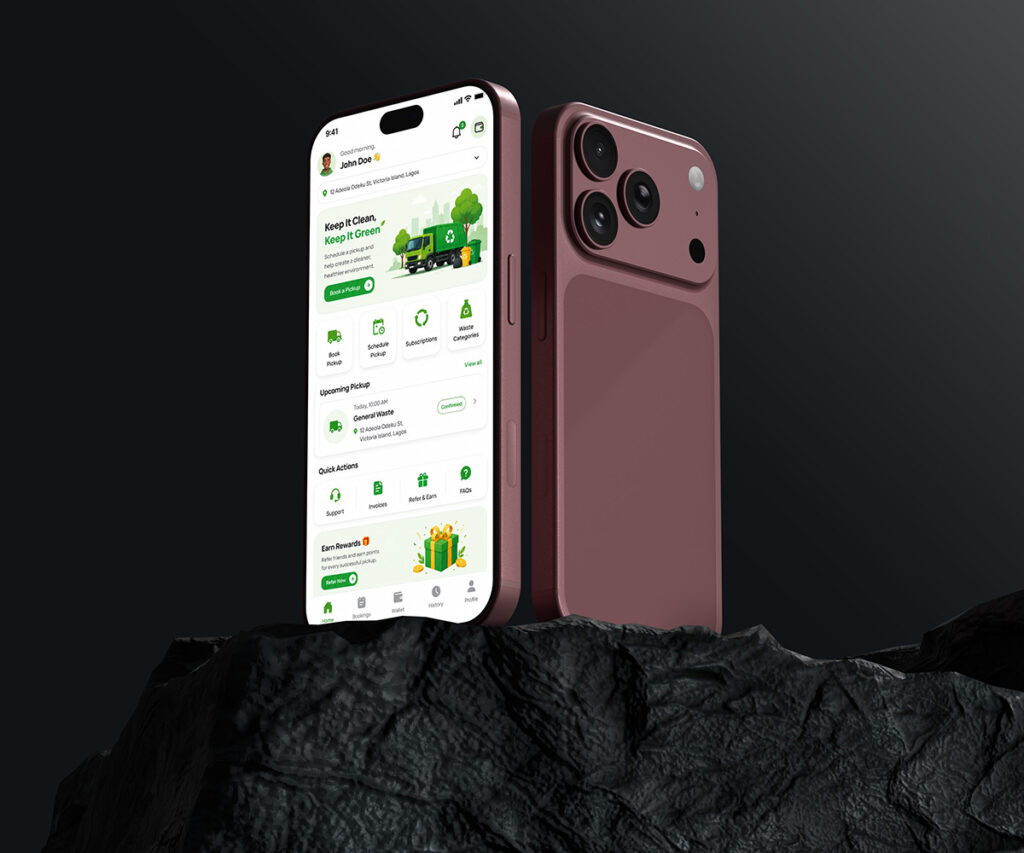
Many people browse websites using smartphones. Your website should adapt to different screen sizes, with readable text, accessible buttons and layouts that work well on smaller screens.
Test important pages on mobile devices before launching your website.
3. Simple Navigation
Visitors should be able to find important information without confusion.
Use clear menu labels such as Home, About, Services, Portfolio and Contact. Keep the navigation focused on the pages your customers are most likely to need.
4. Detailed Service Pages
Each major service should have a clear explanation of what it includes, who it is for and how it benefits the customer.
Dedicated service pages can also help your website target relevant search terms more effectively than placing every service in a single paragraph.
5. Clear Calls to Action
Tell visitors what to do next. Depending on your business, this could be requesting a quote, booking a consultation, making a purchase or contacting your team.
Use descriptive button text rather than relying on vague instructions.
6. Contact Information
Make it easy for customers to reach you. Display relevant contact details and provide a working contact form.
If your business serves a particular area, include appropriate location information and service areas.
7. Testimonials and Case Studies
Genuine customer feedback and examples of completed projects can help visitors evaluate your business.
Where possible, use authentic testimonials with permission and case studies that explain the problem, your approach and the outcome. Avoid fabricated reviews or unsupported performance claims.
8. Search Engine Optimization
A search-friendly website needs descriptive page titles, useful content, logical headings, relevant internal links and accessible page structures.
Technical considerations, such as crawlability, indexing and image optimization, also matter.
9. Fast Loading and Security
Slow pages can frustrate visitors. Optimize image sizes, avoid unnecessary scripts and use efficient website components.
Use HTTPS, keep your website software updated and maintain reliable backups. Security should be considered from the beginning rather than added as an afterthought.
10. Analytics and Performance Tracking
Analytics can help you understand how people discover and use your website.
Depending on your goals and privacy obligations, track relevant metrics such as organic search visits, contact form submissions, booking requests and sales.
Use the information to improve pages that attract visitors but do not generate meaningful actions.
Which Features Should You Prioritize First?
If you are working with a limited budget, begin with a clear homepage, mobile-friendly design, useful service pages, contact information and essential SEO foundations.
You can introduce advanced features as your business grows and you better understand what your customers need.
The objective is to build a website that works for your business rather than simply adding features for the sake of it.
Need a Website for Your Business?
I design and develop websites that combine visual appeal, usability and practical functionality.
If you want to create a new website or improve your current one, visit IbikunleOlawale.com and get in touch to discuss your project.