
How Much Does It Cost to Develop a Mobile App in 2026?
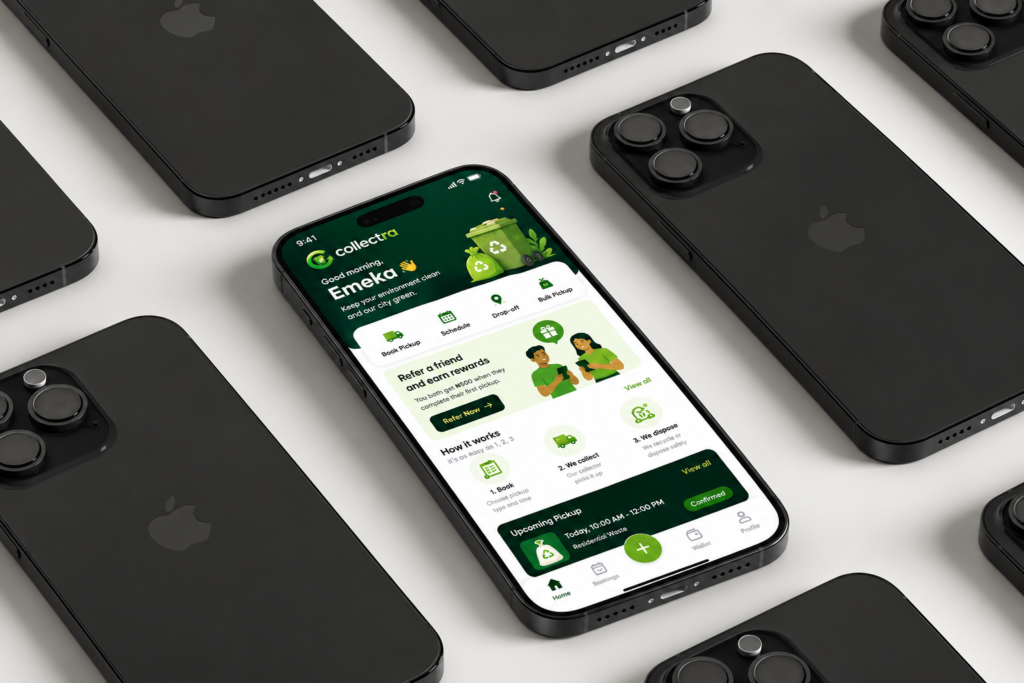
Building a mobile application can help a business improve customer engagement, streamline operations and deliver services more conveniently.
However, mobile app development costs vary significantly from one project to another. A simple application with a few screens requires a different level of effort from a platform with payments, user accounts, real-time notifications and an administrative dashboard.
Before starting development, it is important to understand what affects the budget.
1. The Type of Application
The first factor is the purpose of your application.
A basic information app may require relatively little functionality. An appointment booking platform, delivery application, marketplace or business management system can involve considerably more work.
Define the problem your app will solve and identify the users who will benefit from it.
2. The Features You Need
Features influence the time and resources required to build an application.
Common examples include:
-
User registration and authentication
-
Customer profiles
-
Booking and scheduling
-
Payment processing
-
Push notifications
-
Location services and maps
-
Messaging and communication
-
Admin dashboards and reporting
Each additional feature introduces design, development, testing and maintenance requirements.
3. UI/UX Design
The design process determines how users interact with your application.
UI design focuses on the visual interface, including buttons, layouts, typography and colors. UX design considers the overall journey, usability and how easily users can complete tasks.
Good design helps reduce confusion and creates a more consistent experience across the app.
4. Android, iOS or Both?
Your target audience influences your development approach.
You might build for Android, iOS or both platforms. Cross-platform frameworks such as Flutter can support applications for multiple platforms from a shared codebase.
However, the final cost still depends on integrations, platform-specific requirements, testing and the complexity of your features.
5. Backend Development and Integrations
Many applications need a backend to store data, manage users, process bookings or connect to external services.
For example, a delivery app may require order management, payment integration, notifications and location tracking.
A well-planned backend should support the application’s requirements while considering security, reliability and future growth.
6. Testing and Quality Assurance
Testing is an essential part of app development.
Your application should be tested across relevant devices and screen sizes. Important workflows, including account registration, payments, data handling and error recovery, should work as expected.
Skipping adequate testing can lead to problems after launch and increase future repair costs.
7. Maintenance After Launch
Launching an application is not the end of the project.
You may need ongoing bug fixes, operating system compatibility updates, security improvements, infrastructure costs and new features.
Include a maintenance plan in your budget so your app can continue to operate reliably.
How Can You Reduce Mobile App Development Costs?
Start with a minimum viable product (MVP): a version containing the essential features needed to test your idea with real users.
Prioritize functionality that solves the main problem. Avoid adding secondary features before you understand whether customers need them.
You should also define your requirements clearly, choose suitable technologies and agree on the scope before development begins.
Is Custom Mobile App Development Worth It?
A mobile app can be valuable when it solves a genuine problem or provides a better experience than existing alternatives.
The best approach depends on your business goals, audience, available budget and expected return on investment.
Rather than focusing only on the initial price, consider the application’s long-term value, scalability and ongoing operating costs.
Have a Mobile App Idea?
I develop mobile applications designed around business needs, user experience and practical functionality.
If you are planning a new application or want to turn an idea into a working product, visit IbikunleOlawale.com to discuss your requirements.


